 Hair Transplant
  Dental Aesthetics
  Facial Aesthetics
  Body Contouring
  TMJ Treatment
  Eye & Eyelid Surgery
  Mummy Makeover
  Obesity Treatment
  Orthopedics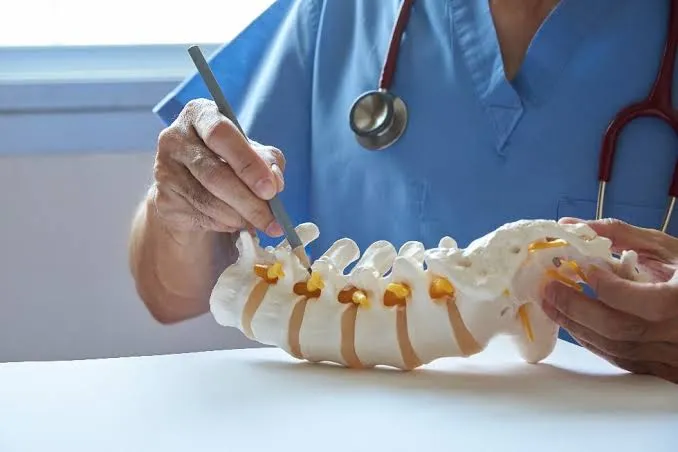
Orthopedics is the branch of surgery concerned with bones, joints, ligaments, tendons and muscles. The treatments coordinated here focus on the large joints — knee and hip replacement for advanced arthritis, and keyhole (arthroscopic) surgery of the knee and shoulder for cartilage, meniscal, ligament and rotator cuff problems. These are functional operations rather than cosmetic ones: the aim is to reduce pain and restore movement so that everyday activity becomes possible again. Health Clinic coordinates your care with orthopedic surgeons at accredited, Ministry of Health–authorised partner hospitals in Türkiye, from assessment of your imaging through surgery to a rehabilitation plan you continue at home. Because recovery from orthopedic surgery is measured in months and depends heavily on physiotherapy, planning your care at home is as important as planning the operation.
Procedures in this area
Each procedure explains what is involved, who it may suit, recovery and a balanced view of benefits and risks. A clinician confirms suitability after a personal assessment.
Knee Replacement
Knee replacement is an operation in which the worn surfaces of the knee joint are removed and resurfaced with metal and plastic components, so that bone no longer grinds against bone.
Hip Replacement
Hip replacement is an operation in which the worn ball-and-socket hip joint is replaced with an artificial one: a stem and ball placed in the thigh bone, and a socket fitted into the pelvis.
Knee Arthroscopy
Knee arthroscopy is keyhole surgery in which a small camera and fine instruments are passed into the knee through incisions around a centimetre long.
Shoulder Arthroscopy
Shoulder arthroscopy is keyhole surgery in which a small camera and fine instruments are introduced into the shoulder through incisions around a centimetre long.
Spinal Surgery
Is this treatment right for you?
Suitable for: adults with persistent joint pain, stiffness or instability that limits daily life and has not responded sufficiently to physiotherapy, medication, weight management or injections.
Less ideal if: you have an active infection anywhere in the body, poorly controlled diabetes or heart disease, an unstable medical condition, or no realistic access to structured physiotherapy at home after your operation.
Suitability can only be confirmed by a qualified clinician after assessing you, which is why every plan begins with a free, personalised review rather than a fixed promise.
Benefits & risks
A balanced view matters more than a sales pitch. Weigh both sides and discuss them with a clinician before deciding.
Potential benefits
- Aims to reduce joint pain that has not responded to non-surgical treatment
- Can restore movement and make walking, stairs, sleep and daily tasks manageable again
- Modern joint replacements are long-lasting, although not permanent
- Keyhole surgery treats many knee and shoulder problems through small incisions
- Assessment, surgery and the start of rehabilitation are coordinated in a single planned trip
- A written rehabilitation programme is provided so recovery continues properly at home
Risks & considerations
- Infection, including deep infection around an implant, which can require further surgery
- Blood clots in the leg (DVT) or lung (PE), which is why clot prevention and early movement matter
- Nerve or blood vessel injury, causing numbness, weakness or, rarely, lasting damage
- Stiffness, scar tissue or ongoing pain despite a technically successful operation
- Implant loosening, wear, dislocation or fracture over the years, sometimes needing revision surgery
- Differences in leg length, joint instability or a result that falls short of your expectations
Am I a candidate?
- Your joint pain limits daily life and has persisted despite non-surgical treatment
- Recent imaging supports the diagnosis and matches your symptoms
- You are medically fit for anaesthesia and surgery, with any long-term conditions well controlled
- You can arrange structured physiotherapy and support at home during recovery
- You have realistic expectations of what surgery can and cannot restore
Only a qualified clinician can confirm suitability after a personal assessment.
Process & recovery
Assessment starts with your imaging — X-rays, and MRI where soft tissue is involved — together with your symptoms, medical history and how much your joint limits daily activity, so the treating surgeon can advise whether surgery is warranted at all. Where it is, joint replacement involves resurfacing or replacing the worn joint with an implant under spinal or general anaesthetic, usually with two to four nights in hospital and walking with support from the first day or two. Arthroscopic surgery is carried out through small incisions with a camera, often as a day case or with one night in hospital. Both routes depend on rehabilitation: a structured physiotherapy programme starting in hospital and continuing for weeks to months at home determines much of the final result. Risks common to orthopedic surgery include infection, blood clots in the leg or lung, bleeding, nerve or blood vessel injury, stiffness, ongoing pain and, for replacements, implant loosening, dislocation or wear over time — all of which are discussed openly before you decide.
Choosing between the procedures
Orthopedic surgery is chosen by diagnosis, not by preference, and the honest starting point is that many joint problems do not need an operation at all. Weight management, physiotherapy, activity modification, pain relief and injections resolve or control a great many cases, and a surgeon who recommends surgery for every painful knee is not assessing carefully.
Where surgery is warranted, the broad split is between replacing a worn joint and repairing a damaged structure inside it.
| Procedure | Typically used for | Anaesthetic and stay |
|---|---|---|
| Knee replacement | Advanced knee arthritis with pain at rest, at night or on walking | Spinal or general; usually two to four nights in hospital |
| Hip replacement | Advanced hip arthritis, groin pain, stiffness and difficulty walking | Spinal or general; usually two to four nights in hospital |
| Knee arthroscopy | Meniscal tears, cartilage damage, loose bodies, ligament injury | General or spinal; day case or one night |
| Shoulder arthroscopy | Rotator cuff tears, impingement, instability, frozen shoulder | General; day case or one night |
Which of these applies — and whether any of them does — can only be decided after your imaging and symptoms have been assessed together.
Rehabilitation is part of the treatment
The single most important thing to understand about orthopedic surgery abroad is that the operation is the beginning of the treatment, not the end of it. A knee replacement carried out perfectly will still give a poor result if the knee is not moved, strengthened and progressively loaded for months afterwards. Rotator cuff repairs depend on a carefully staged programme that protects the repair before it is loaded. Recovery from these operations is measured in months, and most of it happens at home.
Planning that before you travel matters more than any other preparation. That means arranging physiotherapy locally, arranging help at home for the first weeks, understanding what equipment you may need, and knowing who to contact if something concerns you once you are back. Your written rehabilitation programme is designed to be handed to a physiotherapist at home, and the aftercare team stays available for questions — but the appointments themselves need to be in place.
How your care is coordinated
Health Clinic is a facilitator, not a hospital: we coordinate your orthopedic care rather than provide it, and we are open about that. Your journey begins with a review of your imaging and symptoms, which the treating surgeon uses to advise honestly whether surgery is warranted, which operation would be considered and what recovery would realistically involve. Surgery takes place at accredited, Ministry of Health–authorised partner hospitals in Türkiye, with an interpreter available at every appointment.
Pre-operative checks, hospital stay, transfers, accommodation and a review before you fly home are arranged as part of a transparent, all-inclusive package, and a free, no-obligation personalised plan is provided before you commit to anything. You can see how each stage works, step by step, on our patient journey page, and how travel and accommodation are handled on our travel page.
When surgery is not the answer
An honest orthopedic assessment sometimes concludes that an operation is not the right step — because the imaging does not match the symptoms, because non-surgical treatment has not yet been given a fair trial, because a medical condition needs to be controlled first, or because weight loss would change both the risk and the outcome. Surgery on a joint carries real risks, including infection, blood clots and results that fall short of what was hoped for, and those risks are only worth taking when the likely gain justifies them.
Where travel itself is the problem — because you could not arrange rehabilitation at home, or could not safely make the journey after surgery — that is equally a reason to advise against it. If that is the treating surgeon’s view, it is exactly what we will tell you.
This page is for general information and is not a substitute for personalised medical advice; suitability can only be confirmed after an individual assessment.
Frequently asked questions
Which orthopedic operations do you coordinate? +
The focus is on the large joints: total knee replacement, total hip replacement, and arthroscopic (keyhole) surgery of the knee and shoulder — including meniscal and cartilage surgery, ligament reconstruction and rotator cuff repair. Spinal surgery and other subspecialties are not currently offered. If your problem falls outside what is coordinated here, we will say so rather than fitting you to what is available.
Who carries out my surgery? +
Your operation is carried out by orthopedic surgeons at accredited, Ministry of Health–authorised partner hospitals in Türkiye. Health Clinic coordinates your care as a facilitator rather than providing treatment itself, and stays with you throughout, from assessment to aftercare.
Do I need to send scans before travelling? +
Yes. Recent X-rays are needed for joint replacement and an MRI is usually needed where cartilage, meniscus, ligaments or the rotator cuff are involved. Imaging lets the treating surgeon give honest advice before you commit to travelling, and can prevent a wasted journey. Where your imaging is old or incomplete, further scans can be arranged on arrival.
How long do I need to stay in Türkiye? +
It depends on the operation. Joint replacement typically means around ten to fourteen days in total, covering surgery, two to four nights in hospital, early physiotherapy and a review before flying. Knee or shoulder arthroscopy usually means around five to seven days. Your personalised plan confirms the timing for your case.
When can I fly home after orthopedic surgery? +
Flying is planned around the risk of blood clots and the state of the wound, so the treating surgeon confirms fitness to fly before you travel — commonly around ten to fourteen days after joint replacement and rather sooner after arthroscopy. Clot prevention, in-flight movement and, where advised, compression stockings are part of the plan.
What happens about physiotherapy when I get home? +
You are given a written rehabilitation programme, and the physiotherapy started in hospital is intended to continue at home. Arranging physiotherapy locally before you travel is strongly advised, because the final result of an orthopedic operation depends heavily on rehabilitation over the following weeks and months.
How long does a joint replacement last? +
Modern implants are designed to last many years, and a large proportion are still working well well over a decade later, but no implant is permanent. Longevity depends on age, activity level, weight, bone quality and the type of implant. Revision surgery is possible if an implant wears or loosens, and is generally a bigger undertaking than the first operation.
How do I get an assessment? +
Send your recent imaging and a description of your symptoms and how they limit you for a free, no-obligation assessment. We respond with honest advice informed by the treating surgeon and a clear, all-inclusive personalised plan, with no pressure to proceed.